Business Name: BeeHive Homes of St George Snow Canyon
Address: 1542 W 1170 N, St. George, UT 84770
Phone: (435) 525-2183
BeeHive Homes of St George Snow Canyon
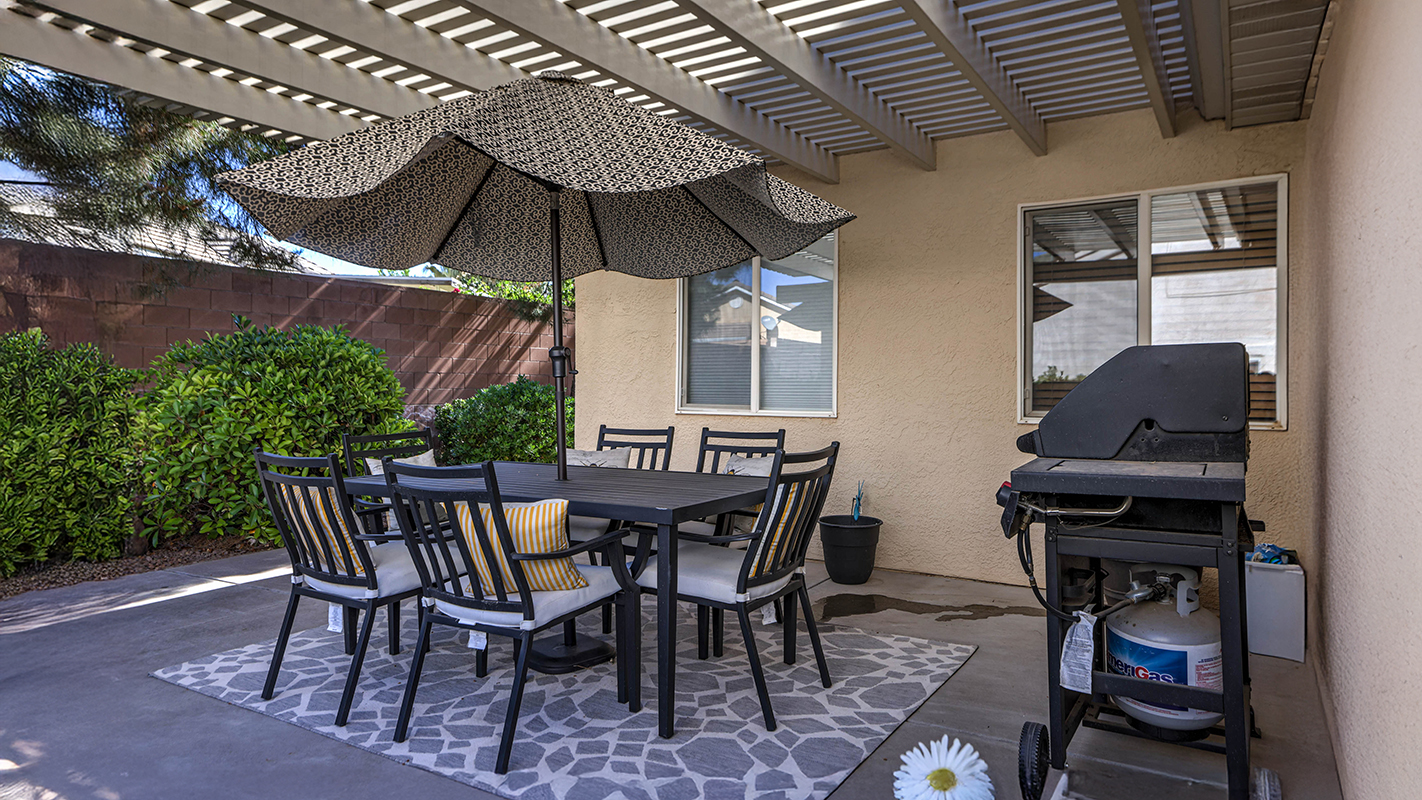
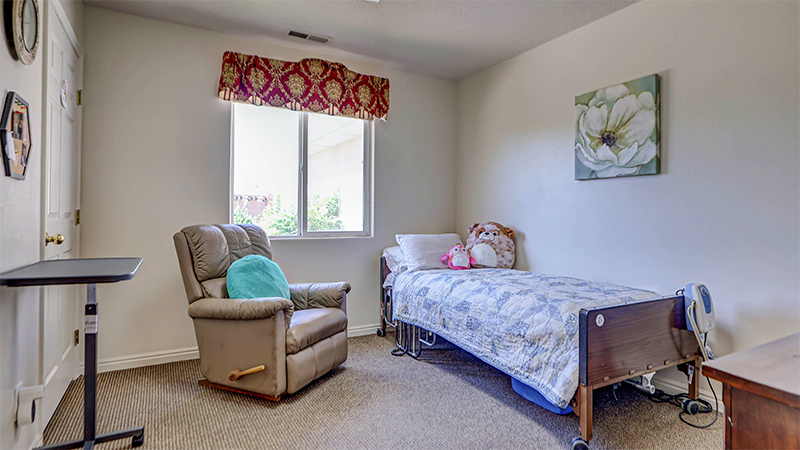
Located across the street from our Memory Care home, this level one facility is licensed for 13 residents. The more active residents enjoy the fact that the home is located near one of the popular community walking trails and is just a half block from a community park. The charming and cozy decor provide a homelike environment and there is usually something good cooking in the kitchen.
1542 W 1170 N, St. George, UT 84770
Business Hours
Monday thru Saturday: 9:00am to 5:00pm
Facebook: https://www.facebook.com/Beehivehomessnowcanyon/
Families typically start exploring memory care communities after a series of stressful events, not a single bad day. Possibly Dad roamed out the side door while the caretaker remained in the restroom. Maybe the over night calls have actually developed into a daily crisis. By the time you are comparing options, you currently know the stakes are high. The goal is not simply discovering a place that looks tidy and friendly. It is deciding who will keep your person safe at two in the early morning when agitation spikes, who will prevent a fall throughout a rushed transfer, who will speak up when a brand-new medication dulls their spark.
I have actually invested years walking families through these choices and assisting teams run much safer systems. The neighborhoods that do this well have a particular feel. They are not best, however patterns emerge. You can find out to identify them.
What "safe" actually means in a memory care environment
People often correspond security with video cameras and locked doors. Those tools matter, but they are the bare minimum. Real safety is the mix of environment, regimens, personnel skill, and management culture that prevents predictable damage and reacts well when something goes wrong.
Elopement risk is genuine in dementia care. A safe boundary with discreet entry control safeguards dignity and safety, however a locked door is not a plan. Personnel need to understand who is at threat of exit seeking, which paths they prefer, and what phrases redirect them. I have seen a nurse avoid a bolt for the door with a basic, practiced line about walking to the "mailbox" and then a simple handoff to an activity area. That is training plus knowing the person.
Fall avoidance resides in the ordinary. Are floorings matte, not glossy, so depth perception is not deceived? Are toss rugs banished? Are chairs the ideal height for the typical resident in that system? The very best units procedure. They test reclining chair heights, swap them if needed, and location visual hint strips on the first and last steps of any modification in level. They check shoes at admission and after laundry accidents. These are not expensive fixes, however they require ownership.
Medication security requires its own lens. Memory care citizens typically have several chronic conditions layered on top of cognitive decrease. Anticholinergics, benzodiazepines, certain sleep aids, and even some non-prescription cold medications can aggravate confusion and balance. Strong programs keep an existing medication list, review it consistently with a pharmacist, and track psychotropic use with intent to taper if behaviors can be managed otherwise. Ask how they collaborate with medical care and whether they run medication reconciliation after health center discharges.
Infection control changed after 2020. You are not requesting miracles. You are requesting for a community that keeps track of hand health, uses clear isolation signage when required, keeps PPE accessible, and communicates transparently about outbreaks. In memory care, citizens may not endure masks or seclusion. That suggests personnel need to be skilled at low-friction safety measures that still protect the group.
Emergency preparedness does not look like a three-ring binder gathering dust. It looks like a posted roster with functions for evacuations and shelter in place, labeled go-bags for citizens with critical equipment, and routine drills that consist of nights and weekends. If you see a stack of wheelchairs with dead batteries, or the last fire drill date is from in 2015, keep your eyes open.
What staffing numbers really inform you, and what they do not
Families often ask for a ratio. It is a sensible instinct. Ratios are simple to compare. The truth is ratios can mislead if you do not know the context.
A day shift of one aide for 6 to 8 citizens in a dedicated memory care system can be reasonable if the locals are mainly ambulatory and the group is stable. That very same ratio becomes risky if numerous locals need two-person assists, have regular incontinence, or display screen aggressive habits. During the night, you may see one assistant for every eight to twelve locals, with a nurse covering two or more systems. Some states set minimums, numerous do not, and acuity shifts much faster than the marketing brochure.
Skill mix matters more than the printed ratio. Exists a nurse physically present on the system all shifts, or is the nurse covering the whole structure? How many hours of dementia-specific training do new hires total before taking independent assignments? Is there an experienced lead on each shift who knows the homeowners by name and history? If the building leans heavily on agency staff, safety can break down, not because agency employees lack skill, however since consistency is a safety tool in dementia care.
Scheduling patterns are a useful window into genuine staffing. Rotating schedules drain groups. Constant tasks let assistants find out regimens and preferences, which reduces agitation, refusals, and rushed care. A stable task sheet is the distinction in between knowing Mr. R needs his cereal warm and his tablets in applesauce, versus guessing at breakfast while his stress and anxiety climbs.
Turnover is not a character defect. It is a risk signal. Request for quarterly turnover rates, not just annualized numbers. A short spike after a change in leadership is not always a deal breaker. A pattern of constant churn generally appears as more falls, more skin breakdowns, and more hospital transfers. Seasoned neighborhoods track those trends and act upon them.
Touring with a sharper eye
Tours frequently occur in the golden hour, midmorning on a weekday. Personnel are fresh, activities are visual, and leaders are available. That is fine for a very first visit. It is not enough for a decision.
Arrive as soon as unannounced at shift change. Stand silently near the system door and watch handoff. Excellent handoff sounds succinct and specific, with names and practical information. You ought to hear things like, "Mrs. P slept after lunch, missed her 2 pm fluids, make sure she drinks with dinner," or, "Mr. K tried a new antidepressant last night, slept six hours, was constant on his feet, expect dizziness." Unclear expressions such as "everyone's great" are not helpful.
Watch a meal from start to complete, not just the table set-up. Mealtime is both a security and self-respect checkpoint. Do nurses or aides sit at eye level for cueing? Are adaptive utensils utilized correctly, or abandoned after one shot? Is the space too loud for concentration? Look for the little triggers, the mild hand-under-hand assistance that indicates real dementia care training.
Observe bathroom support without intruding. Homeowners with dementia may resist personal care. Personnel who are trained will utilize short, concrete expressions and sequencing, not pep talks or scolding. The speed you see throughout individual care informs you if the ratio is functioning in practice. If everybody looks hurried, they most likely are.
I likewise take notice of what is on the walls. A life story board with pictures and short notes can direct new staff and pacify agitation with a simple icebreaker. A care plan snapshot at the nurse's station with clear icons for threats and preferences is much better than a binder no one opens.
The role of environment, beyond pretty finishes
Good memory care architecture looks warm and ordinary. The very best versions are quiet issue solvers. Hallways have visual interest every few steps so pacing feels natural. Rooms are simple to recognize. Restrooms keep towels and toiletries in sight, not concealed in drawers homeowners forget exist. Lighting is even, glare is tamed, and bulbs are bright enough for aging eyes.
Security requires to blend in. Postponed egress doors can be camouflaged with murals or bookshelves, but do not let looks conceal a lack of clarity. Personnel ought to show how alarms work and what the reaction appears like in under 60 seconds. Outdoor yards that are protected, dubious, and available are more than advantages. Access to fresh air and a safe walking loop can minimize agitation and sun-downing.
Noise is typically the ignored danger. Tvs roaring, phones calling, carts rattling on tile, all amount to confusion and irritability. I walk an unit with my ears as much as my eyes. Neighborhoods that insulate doors, location felt on chair legs, and use rubber-wheeled carts make calmer days and better nights.
Behavior assistance as a safety system
A resident who starts out is not merely aggressive. They may be in discomfort, hurrying to the bathroom, overstimulated, or terrified by a complete stranger's hands near their face. A community that deals with habits as interaction runs safer units. They track antecedents, not just events. They teach the hand-under-hand strategy, use recognition, and pair locals with personnel who have the best temperament.
Ask to see the behavior tracking tool. If it is a log of dates and a single word like "agitation," that is not helpful. A beneficial note reads, "3:45 pm, corridor pacing, requiring wife, rerouted to photo album, tea offered, sat in sunroom 20 minutes, settled." That entry can be become a plan. In time, the data must reveal less high-risk moments.
Psychotropic stewardship becomes part of this. Antipsychotics and sedatives can often be necessary. They also increase fall threat and can flatten character. Strong programs work together with prescribers, attempt environmental and activity changes initially, and, when medication is used, set a date to reassess.
Night shift realities
Safety at night has a different texture. Fewer eyes, more tiredness, more confusion for locals. I ask who is in fact on the system in between 11 pm and 7 am. Exists a licensed nursing assistant in each section plus a nurse who rounds, or is one assistant covering 2 hallways and calling a float when required? How many citizens are on bed or chair alarms, and who responds?
Good night teams have peaceful routines. They cluster care to lessen disruptions. They pre-position incontinence materials and use low lighting for checks. They know who tends to roam around 3 am and who wakes thirsty. If you can, visit late. You will see whether call lights remain, whether the unit hums or frays.
After incidents: what occurs next
Every unit has falls. The distinction is what follows. After a fall, you want to see a head-to-toe assessment, vitals, a neuro check if shown, a call to the accountable celebration, and a brief huddle before the next shift on what to change. Modification is the keyword. Did they lower the bed, change transfer strategy, swap footwear, add a hint, or change the toilet schedule? If the strategy does not change, the risk does not either.
Elopements are rarer however serious. A responsible neighborhood reports to regulators when needed, debriefs with the family, and documents system alters that surpass "re-educated personnel." They might include a visual barrier, adjust staffing during a known trigger hour, or move a resident's space away from an exit. Families should have to hear how they will avoid a second event.
Hospitalization patterns tell a story too. A sharp rise in transfers for urinary system infections or dehydration normally points to missed out on fluids or toileting. Some systems utilize hydration carts at midmorning and midafternoon, tracking consumption with easy tallies. Small modifications like that lower hospital runs, and you can ask to see those logs.
Documentation that indicates genuine work, not just paperwork
Care plans need to be understandable, not simply certified. I search for resident choices, specific dangers, and accurate techniques. "Assist with ADLs," means little. "Hint step by step for tooth brush, location brush in hand, turn on warm water first," indicates staff understand what works. Task sheets tell you who is supposed to be where. If the unit can not produce them, or they change every day, consistency is most likely lacking.
Training records matter, but so does the way personnel talk about training. New works with need to finish dementia-specific training before they work separately with homeowners. Continuous in-services must be interactive, not simply video modules. When I ask an assistant about the last training they went to, the ones in strong programs can recall the topic and an example of how they utilized it on the floor.
Activities that are not window dressing
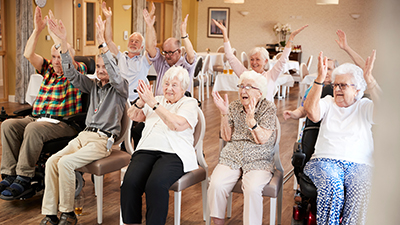
Engagement is a security tool. A resident who is meaningfully inhabited is less most likely to wander or withstand care. Try to find activities that match cognitive and physical capabilities, not a one-size-fits-all calendar. Early morning workout groups that consist of range-of-motion, afternoon tasks that mirror familiar roles like folding towels or sorting hardware, and evening regimens that unwind stimulation make a difference.
I ask who develops the program. A full-time life enrichment director with dementia care experience can tailor activities far better than a rotating cast of well-meaning helpers. Ask how they adjust for residents with advanced illness who can not participate in groups. Individually sensory packages, music customized to personal history, and hand massages are not frills. They keep residents calm and lower reliance on medication.
Respite care as a test drive
Respite care, a short remain in a memory care unit, is an underused tool for assessment. A three to fourteen day stay can reveal you how your individual responds to the environment, how the team adapts, and how communication streams. It also provides the unit a chance to adjust the plan before a long-term relocation. If a neighborhood withstands respite since it is "too disruptive," that tells you something about their flexibility.
During respite, expect the little things. Do they track sleep and cravings day by day and share a summary when you get your person? Did they ask you for your individual's routines, food likes and dislikes, and preferred clothing? Those details anticipate success.
Trade-offs in between large and small settings
There is no single best design. Little homes with 10 to sixteen homeowners can provide remarkable consistency and quieter days. Personnel discover everyone rapidly, and leadership finds out about issues fast. The downside is depth. If 2 personnel call out, coverage can get thin. Bigger neighborhoods might provide more activities, on-site treatment, and a devoted nurse on each shift. They also can feel busier and less individual. Decide which risks you are more happy to manage.
Budget impacts staffing. High-fee neighborhoods can manage more staff per resident and more training hours, but rate does not guarantee quality. I have seen mid-priced communities outperform high-end structures due to the fact that the management group worked the floor, fixed problems at the root, and developed a steady personnel culture.
Family involvement and communication style
You want a community that treats families as partners. That does not indicate constant gain access to or micromanagement. It suggests foreseeable updates, fast actions to issues, and invitations to care plan meetings that are more than formality. I ask to see how they communicate regular updates. Some use weekly emails with highlights and photos, others arrange quick phone check-ins after noteworthy modifications. Either can work if it is reliable.
The tone utilized when discussing difficulties matters. If a director blames the resident for habits, or the family for "not telling us," I stop briefly. If they speak to interest about what triggers a habits and invite you to teach them, that is the state of mind you want.
Questions that reveal how the location actually runs
- On your busiest day last month, how did you change staffing on this unit, and who made that call? Can I see an example of a current care prepare for somebody with comparable needs to my person, with personal preferences included? When a resident falls, what actions do you take before the next shift arrives, and how do you alter the plan within 24 hours? How numerous hours of dementia-specific training do brand-new hires complete before working individually, and what does the continuous training calendar appearance like? On nights, who is physically present on the system, the number of locals do they cover, and how typically are rounds done?
A useful playbook for your visits
- Visit once throughout a weekday early morning, as soon as without a visit at shift modification, and as soon as in the evening or night if allowed. Ask to see project sheets for the present day and last weekend, and keep in mind the number of names repeat on the very same halls. Eat a meal in the dining-room, then ask an employee to show you where adaptive utensils and thickening representatives are stored. Request a quick, de-identified example of a fall review and what altered later, then look for that modification on the unit. Before you leave, ask the highest-ranking nurse on responsibility about a recent infection control difficulty and how the group handled it.
How to weigh what you learn
No single information point makes the decision. You are constructing a picture. If the system is spotless but the night staffing is thin, can they adjust? If the ratio is excellent but turnover is high, what is the leadership doing to support? If the activity calendar looks complete but most residents seem disengaged, how will they customize the prepare for your person? Utilize your notes to sort findings into fixable gaps versus cultural red flags.
Fixable gaps consist of missing out on grab bars in one restroom, a training subject that is due for refresh, or irregular use of adaptive utensils. Cultural warnings consist of leaders who can not address standard concerns about their locals, a defensive position about incidents, or persistent dependence on company personnel without a plan to recruit and retain.
Bringing it back to your person
All the general recommendations matters less than the fit for the person you like. If your mother was a teacher who prospered on a schedule, a system with clear regimens and morning activities might match her. If your partner strolls miles a day and gets restless indoors, memory care st george ut a neighborhood with a secure yard and personnel who understand how to stroll with purpose is much safer than any keypad.
Strong memory care is not just about preventing harm. It has to do with making it possible for a good day most of the time. When security and staffing collaborate, citizens sleep much better, eat more, argue less, and smile more. That is what you are shopping with your trust and your dollars. Take your time, ask the hard questions, and listen for the answers under the answers. The best place will welcome that level of examination due to the fact that it is how they run every day.
Finally, remember that lots of households start with respite care or part-time assistance like adult day programs to transition more carefully. Senior care is a continuum. If you require to bridge the gap while you choose, ask about brief stays or respite options that let both your person and the team find out what works. Thoughtful dementia care respects that families are making modifications under pressure and provides space to make the most safe option, not the fastest one.
BeeHive Homes of St George Snow Canyon provides assisted living care
BeeHive Homes of St George Snow Canyon provides memory care services
BeeHive Homes of St George Snow Canyon provides respite care services
BeeHive Homes of St George Snow Canyon offers 24-hour support from professional caregivers
BeeHive Homes of St George Snow Canyon offers private bedrooms with private bathrooms
BeeHive Homes of St George Snow Canyon provides medication monitoring and documentation
BeeHive Homes of St George Snow Canyon serves dietitian-approved meals
BeeHive Homes of St George Snow Canyon provides housekeeping services
BeeHive Homes of St George Snow Canyon provides laundry services
BeeHive Homes of St George Snow Canyon offers community dining and social engagement activities
BeeHive Homes of St George Snow Canyon features life enrichment activities
BeeHive Homes of St George Snow Canyon supports personal care assistance during meals and daily routines
BeeHive Homes of St George Snow Canyon promotes frequent physical and mental exercise opportunities
BeeHive Homes of St George Snow Canyon provides a home-like residential enviroMOent
BeeHive Homes of St George Snow Canyon creates customized care plans as residents’ needs change
BeeHive Homes of St George Snow Canyon assesses individual resident care needs
BeeHive Homes of St George Snow Canyon accepts private pay and long-term care insurance
BeeHive Homes of St George Snow Canyon assists qualified veterans with Aid and Attendance benefits
BeeHive Homes of St George Snow Canyon encourages meaningful resident-to-staff relationships
BeeHive Homes of St George Snow Canyon delivers compassionate, attentive senior care focused on dignity and comfort
BeeHive Homes of St George Snow Canyon has a phone number of (435) 525-2183
BeeHive Homes of St George Snow Canyon has an address of 1542 W 1170 N, St. George, UT 84770
BeeHive Homes of St George Snow Canyon has a website https://beehivehomes.com/locations/st-george-snow-canyon/
BeeHive Homes of St George Snow Canyon has Google Maps listing https://maps.app.goo.gl/uJrsa7GsE5G5yu3M6
BeeHive Homes of St George Snow Canyon has Facebook page https://www.facebook.com/Beehivehomessnowcanyon/
BeeHive Homes of St George Snow Canyon won Top Assisted Living Homes 2025
BeeHive Homes of St George Snow Canyon earned Best Customer Service Award 2024
BeeHive Homes of St George Snow Canyon placed 1st for Senior Living Communities 2025
People Also Ask about BeeHive Homes of St George Snow Canyon
How much does assisted living cost at BeeHive Homes of St. George, and what is included?
At BeeHive Homes of St. George – Snow Canyon, assisted living rates begin at $4,400 per month. Our Memory Care home offers shared rooms at $4,500 and private rooms at $5,000. All pricing is all-inclusive, covering home-cooked meals, snacks, utilities, DirecTV, medication management, biannual nursing assessments, and daily personal care. Families are only responsible for pharmacy bills, incontinence supplies, personal snacks or sodas, and transportation to medical appointments if needed.
Can residents stay in BeeHive Homes of St George Snow Canyon until the end of their life?
Yes. Many residents remain with us through the end of life, supported by local home health and hospice providers. While we are not a skilled nursing facility, our caregivers work closely with hospice to ensure each resident receives comfort, dignity, and compassionate care. Our goal is for residents to remain in the familiar surroundings of our Snow Canyon or Memory Care home, surrounded by staff and friends who have become family.
Does BeeHive Homes of St George Snow Canyon have a nurse on staff?
Our homes do not employ a full-time nurse on-site, but each has access to a consulting nurse who is available around the clock. Should additional medical care be needed, a physician may order home health or hospice services directly into our homes. This approach allows us to provide personalized support while ensuring residents always have access to medical expertise.
Do you accept Medicaid or state-funded programs?
Yes. BeeHive Homes of St. George participates in Utah’s New Choices Waiver Program and accepts the Aging Waiver for respite care. Both require prior authorization, and we are happy to guide families through the process.
Do we have couple’s rooms available?
Yes. Couples are welcome in our larger suites, which feature private full baths. This allows spouses to remain together while still receiving the daily support and care they need.
Where is BeeHive Homes of St George Snow Canyon located?
BeeHive Homes of St George Snow Canyon is conveniently located at 1542 W 1170 N, St. George, UT 84770. You can easily find directions on Google Maps or call at (435) 525-2183 Monday through Sunday 9:00am to 5:00pm
How can I contact BeeHive Homes of St George Snow Canyon?
You can contact BeeHive Homes of St George Snow Canyon by phone at: (435) 525-2183, visit their website at https://beehivehomes.com/locations/st-george-snow-canyon, or connect on social media via Facebook
You might take a short drive to the Painted Pony Restaurant. Painted Pony Restaurant provides an upscale yet calm dining experience suitable for seniors receiving assisted living or memory care as part of senior care and respite care outings